Our Services

Prolapse & Incontinence Care
We understand that living with prolapse or incontinence can affect your confidence, daily activities, and overall quality of life. These conditions are common, but they’re also manageable and treatable with the right care and support. Addressing these issues early can lead to significant improvements in function, comfort, and overall well-being.
Prolapse occurs when the pelvic organs, such as the bladder, uterus, or rectum, shift from their normal position due to weakened pelvic floor muscles or connective tissue. This may cause symptoms such as heaviness, a bulging sensation, or discomfort with certain activities. Incontinence, whether urinary or fecal, results from the pelvic floor’s inability to fully control the bladder or bowel, leading to leakage.
We begin with a thorough assessment, looking at pelvic floor strength, coordination, posture, breathing mechanics, and daily movement patterns. This, like many of our other services may involve an internal vaginal exam to help diagnose your prolapse, this helps us understand the underlying factors contributing to your symptoms and develop a plan that’s specific to your goals and lifestyle.
Treatment may include targeted pelvic floor exercises to restore strength and improve control, progressive strengthening of global muscle groups, strategies to reduce strain on the pelvis, and adjustments to movements like lifting and bending to ease pressure on the pelvic organs.

Pregnancy Pain & Birth Prep
Our focus with pregnancy is on helping you navigate it with comfort, confidence, and care. Early assessment and tailored birth preparation are essential in addressing the changes your body experiences during pregnancy and ensuring you’re fully supported through labour and recovery.
Your body adapts dramatically during pregnancy, which can sometimes highlight or create areas of imbalance or strain. Early assessment helps us identify these changes, such as posture shifts, core weakness, pelvic alignment issues, or movement inefficiencies, before they lead to discomfort or dysfunction. Pelvic floor muscles may become dysfunctional, contributing to incontinence or pelvic pain. Postural changes and muscle imbalances can cause back pain, round ligament pain, or pubic symphysis dysfunction. Altered movement patterns or gait can place unnecessary stress on your joints and muscles.
By addressing these factors early, we can create a plan that strengthens weak areas, improves mobility, and supports your body as it adapts. This not only helps reduce pain but also builds your physical resilience for the months ahead.
As pregnancy progresses, preparing your body for labor and delivery becomes a priority. Birth preparation helps minimize risks, such as prolonged labour or perineal tearing, while optimizing your body for a smoother delivery and recovery. Our focus is on balancing pelvic floor strength and relaxation, practicing effective labour positions, and maintaining hip and pelvic and abdominal flexibility to aid fetal positioning and reduce complications.
Combining early assessment with birth preparation can reduce discomfort, prevent complications, and help you approach labour and recovery with knowledge and confidence. We’re here to provide expert, compassionate care every step of the way.
Pelvic Pain
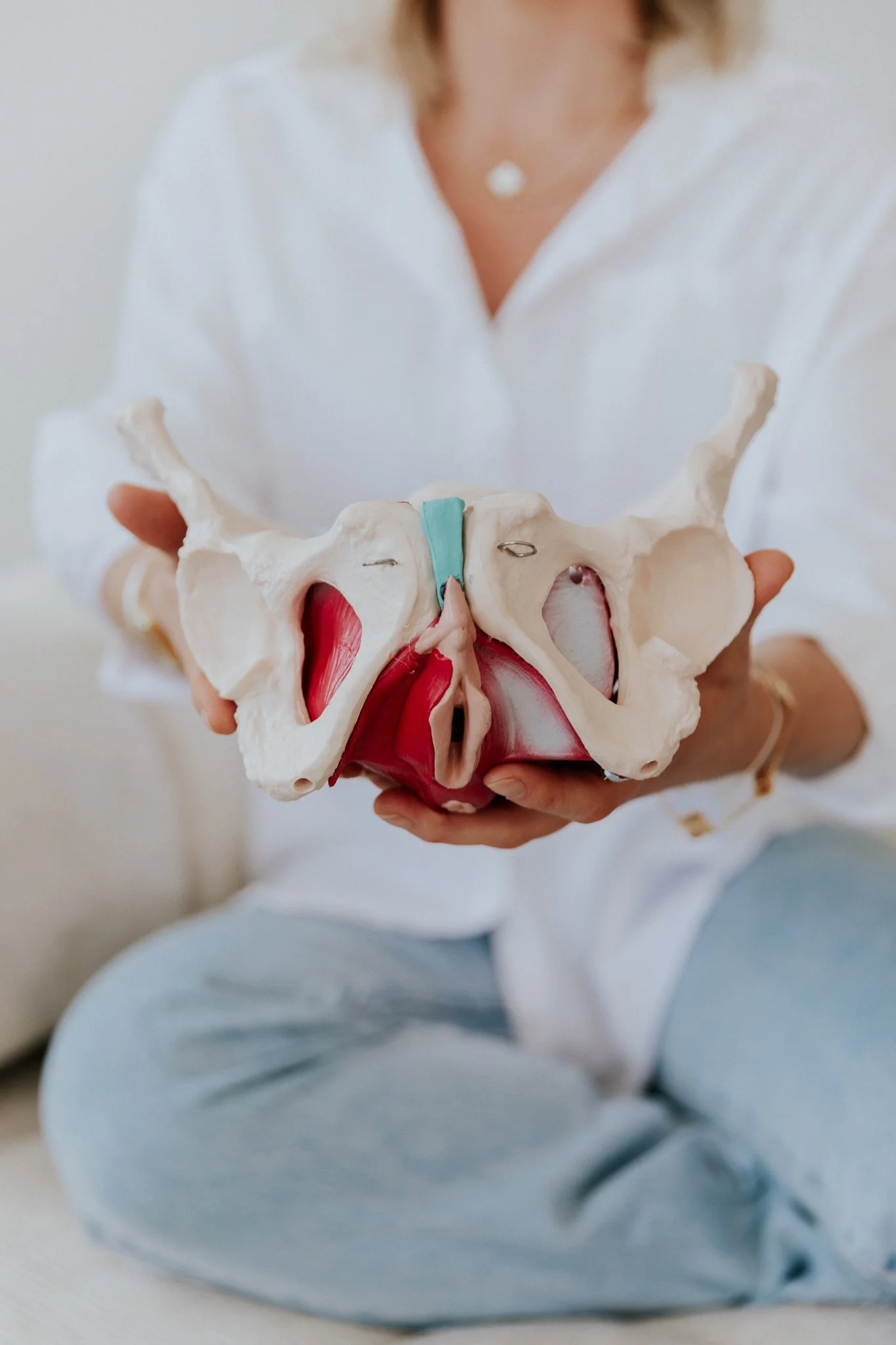
Pelvic pain is a complex and multifaceted experience, often influenced by physical conditions, emotional factors, and life’s challenges. Whether your pain stems from childbirth trauma, surgical procedures, endometriosis, menstruation, or sexual trauma, it can feel overwhelming and disruptive. Our goal is to provide thoughtful, evidence-based care to help you address the pain and feel more at ease in your body.
Pelvic pain often involves dysfunction or tension in the pelvic floor muscles, which can develop in response to trauma, inflammation, or other underlying conditions. Childbirth or surgery may lead to scarring or changes in pelvic structures, while conditions like endometriosis and menstrual pain can cause ongoing inflammation and hypersensitivity. Emotional factors, such as stress or past trauma, can also contribute to tightness or guarding in the pelvic floor, amplifying discomfort.
We evaluate the function of your pelvic floor muscles, posture, breathing patterns, and movement to identify areas of tension, weakness, or dysfunction. We also consider the impact of stress and emotional factors, as these can influence how pain is experienced and how the body responds to treatment.
We use a combination of hands on treatment and exercise rehabilitation to help manage and ease discomfort, all based around what we find in our assessment.
Cesarean Scar Management
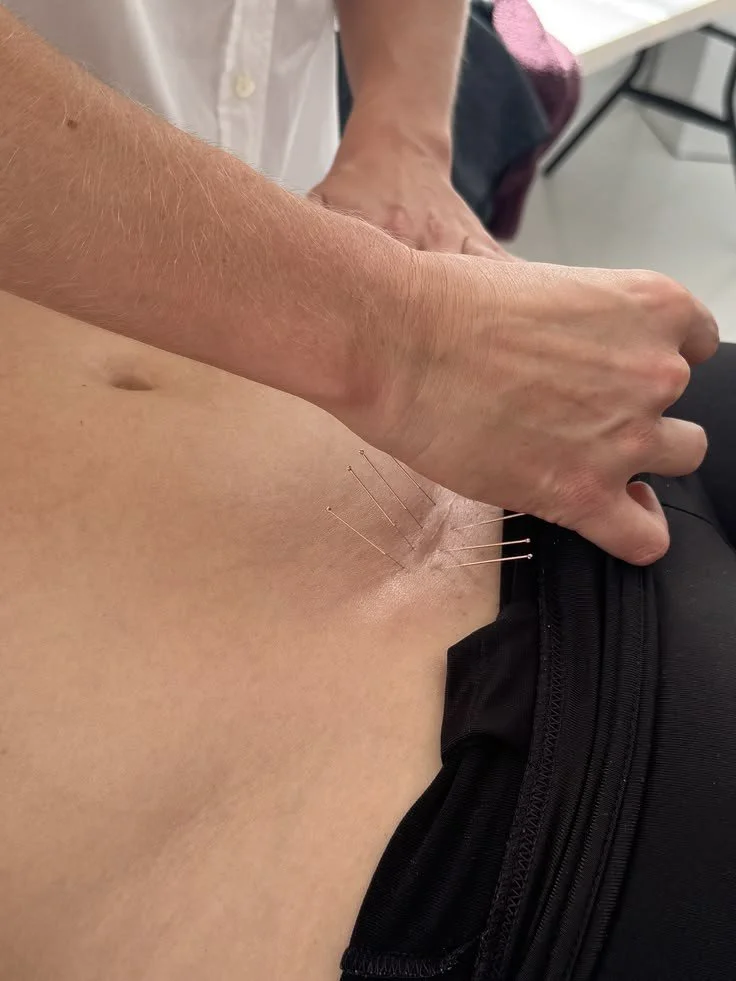
The Cesarean Release Method is a method of enhancing womens function and body awareness through the release of physical and emotional trauma.
We understand that birth can hold weight for some women, in fact 1 in 3 births have been reported as traumatic in NZ, and interestingly 1 in 3 births are also cesarean in NZ.
Our awareness of birth trauma helps shape our treatment sessions, we look at the breathing pattern, we look at the nervous system, we get a big picture of everything that has happened and that is still lingering since the cesarean and before.
All of this information helps us to tailor hands on treatment to our women, with our focus being on improving tissue mobility and feel, core connection, sensation, look & weight of the scar.
This treatment is transformative, and encompasses a whole body view, and as we untangle the physical scar, sometimes we are able to untangle the emotional scar too.